People before specifications
Record the guest count, cabin pairings, children’s ages, mobility considerations and the privacy each party needs. A nominal berth count is only the beginning.
Begin with the people aboard. Then assemble the yacht, the passages and the responsibilities that make their time together work.
Compose your charter briefA family reunion, a quiet escape and a gathering of friends place different demands on the same deck plan. Define the occasion before comparing the length of the yacht.
Record the guest count, cabin pairings, children’s ages, mobility considerations and the privacy each party needs. A nominal berth count is only the beginning.
Decide whether the pleasure lies in sailing, swimming, dining ashore or remaining at anchor. Your preferred pace changes the most suitable yacht and operating area.
Share an overall spending range, date flexibility and essential access requirements. A precise constraint is more useful than an open-ended request for the best.
Compare circulation, shade, cabin balance and the relationship between crew and guest areas. Size alone cannot describe how a yacht will feel.
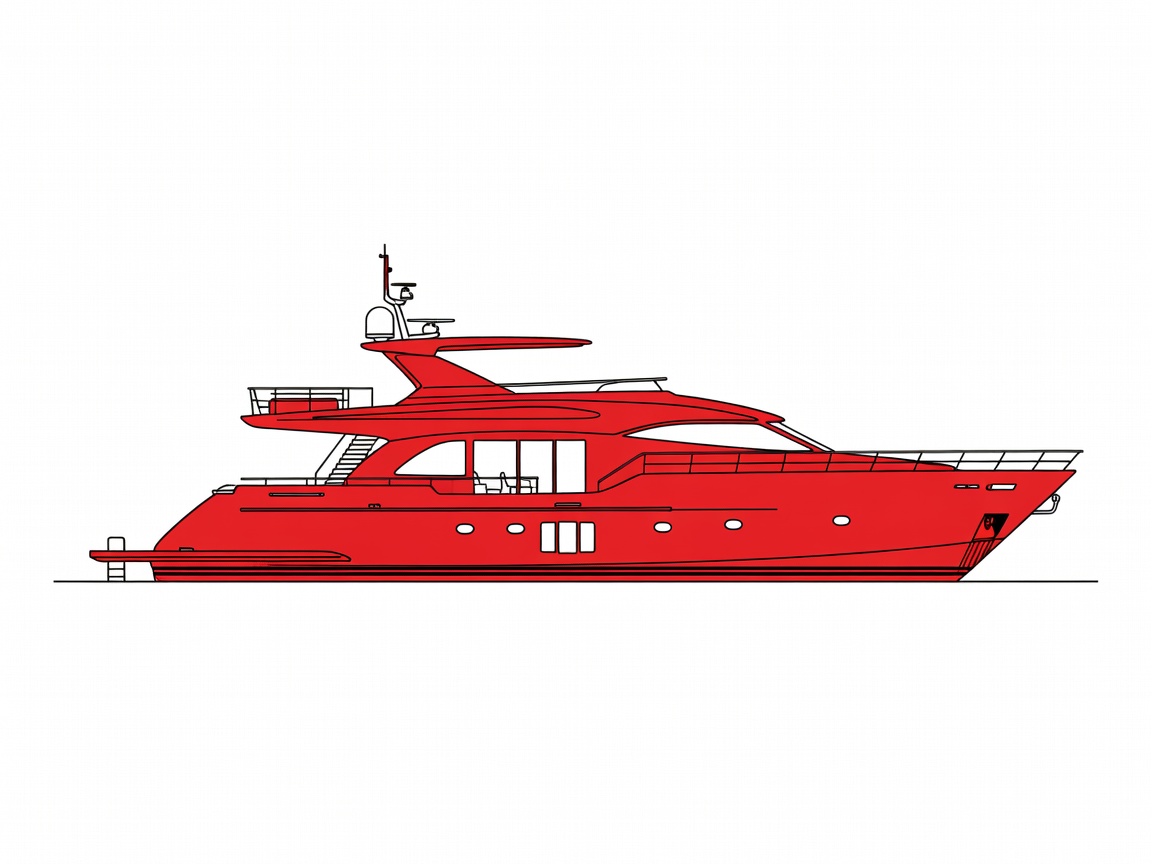 Motor yacht
Assess social areas alongside fuel implications, tender arrangements and comfort underway. A profile is an invitation to ask better questions.
Compare the daily experience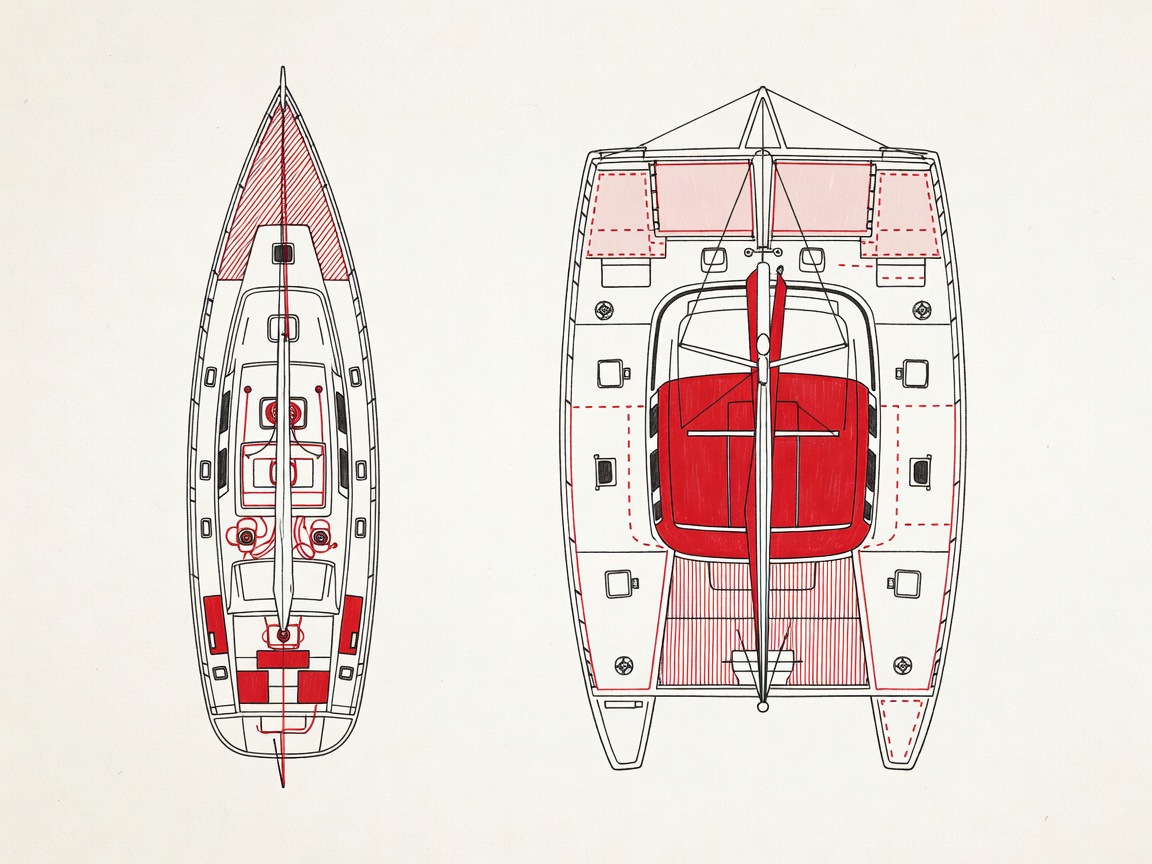 Sail & multihull
Movement under sail, deck width and anchoring requirements all matter. Match the platform to your party rather than a category’s reputation.
Read the vessel-fit ledgerA considered route has alternatives. Weather, port permissions and the appetite for another swim deserve more influence than a crowded list of destinations.

Use the French Riviera, the Cyclades or Norway’s sheltered coast as a starting context. Local operating limits and the captain’s assessment determine what is feasible.
All route illustrations are schematic and must not be used for navigation.
Develop a realistic routeIdentify the one experience that matters most.
Account for daylight, comfort and port procedures.
Agree a sheltered or shorter option before departure.
Provisioning, technical readiness and careful handovers create continuity. Guests need clarity about who is responsible, not a promise that every request is automatically possible.
| Decision | Primary conversation | Written outcome |
|---|---|---|
| Guest needs and preferences | Guest representative and broker | Agreed charter brief |
| Safe operation and routing | Captain and operating team | Feasible plan with alternatives |
| Provisioning and service | Captain, chef and interior lead | Confirmed preferences and constraints |
| Owner oversight | Owner and appointed manager | Documented authority and reporting |
The charter fee and the eventual cost are not necessarily the same. Read the operating allowance, taxes, delivery arrangements, deposits and cancellation terms as separate commitments.
Ask what the base fee covers under the proposed contract. Never infer an inclusion from a description of another yacht or cruising region.
Understand how an advance provisioning allowance is funded, monitored and reconciled. Ask what happens if more funds are needed.
Check payment dates, cancellation provisions and insurance before signing. A low headline figure cannot explain the allocation of risk.
The useful questions are often practical. These nine answers establish a starting point; the yacht’s documents and your signed agreement supply the detail.
No. Lanternquveln provides independent guidance and a local brief-composing tool. It does not display live inventory, take payments or confirm charters.
Start with guest numbers, preferred dates, a region, an overall spending range and essential access or cabin needs. Mark which preferences are flexible.
No. Cabin balance, circulation, shade, crew arrangements and water access can matter more than overall length.
No. Weather, berth availability, permissions and operational safety can change the route. The captain retains responsibility for safe operation.
Where the contract uses one, it is an advance against specified operating expenses, not automatically an additional fixed fee. Confirm accounting and reconciliation procedures.
Do not assume so. Tax treatment depends on the arrangement and jurisdiction. Gratuities are generally discretionary unless your agreement says otherwise; check the actual terms.
Raise them before committing. Ask for precise confirmation of facilities, boarding arrangements and food-handling limitations rather than relying on broad assurances.
A defined scope covering authority, readiness, scheduling, financial reporting and incident escalation. The management agreement should identify exclusions and approval limits.
No. It prepares editable text within your browser. You choose whether to copy, download or separately email the draft.
Cookies on this site Some cookies are needed for the site to work. Others help us understand how it is used. You can change your choice later. More about cookies